Engineers Without Borders
I’m co-president of QMUL Engineers Without Borders, a university society. In 2026 our team won the EWB UK Chapter Design Challenge with a permeable road for Cape York.
エンジニア
enjinia
“Engineer”
Katakana spells words borrowed from other languages sound by sound, so engineer comes straight across.
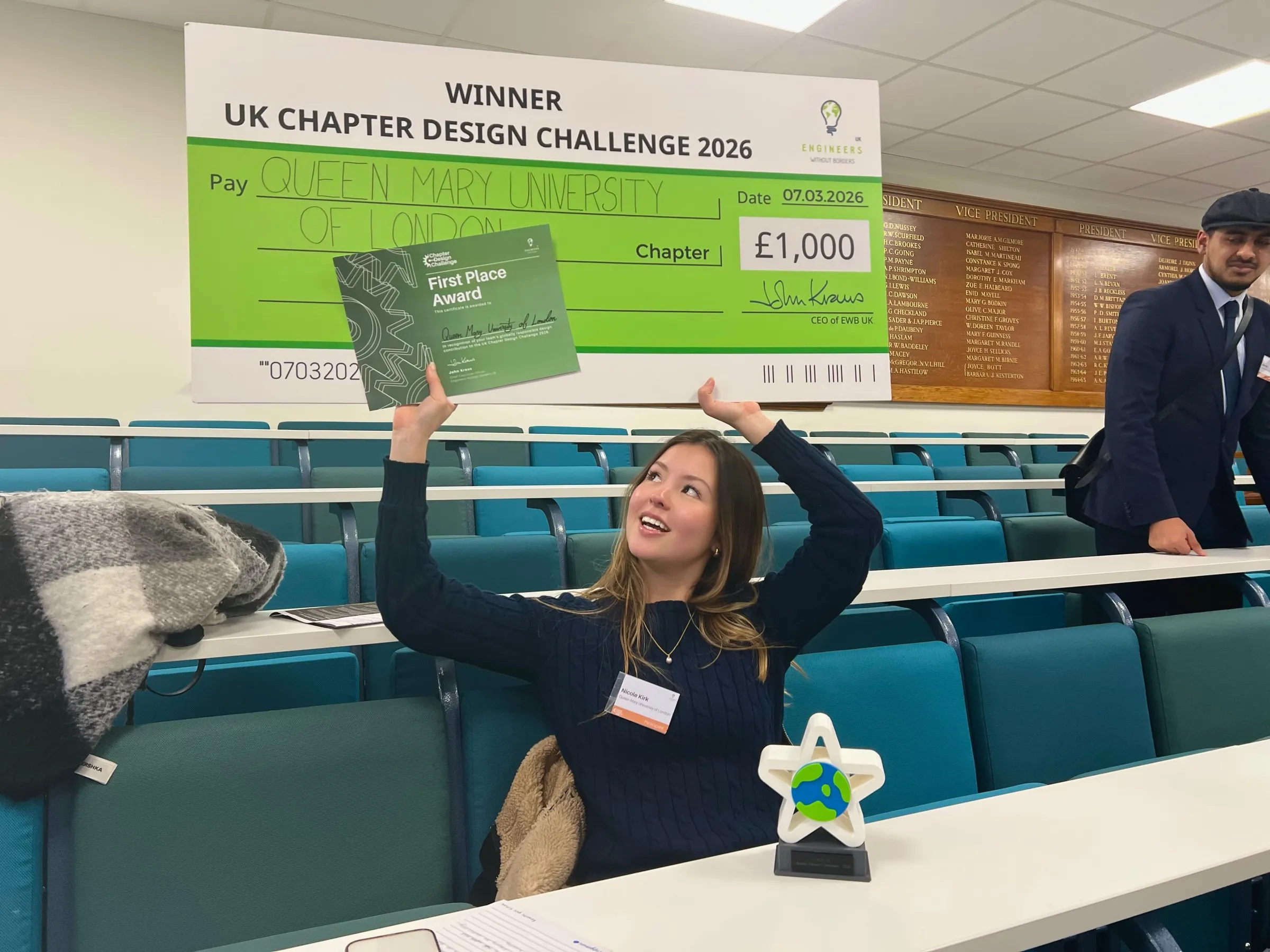
Pay Queen Mary University of London, £1,000. Dated 07.03.2026, signed by the CEO of EWB UK.
First Place, UK Chapter Design Challenge 2026
The challenge was set in Cape York, Queensland. The team answered it with a road that soaks up the monsoon instead of flooding, and stores the water.
Pitched byMe, Heba Mansour, Yara Elsaadany, Khadidja Cheref and Rajdeep Bhachu
In the news · Queen Mary SEMS · 11 March 2026Queen Mary Engineers Without Borders society wins national competitionCape York
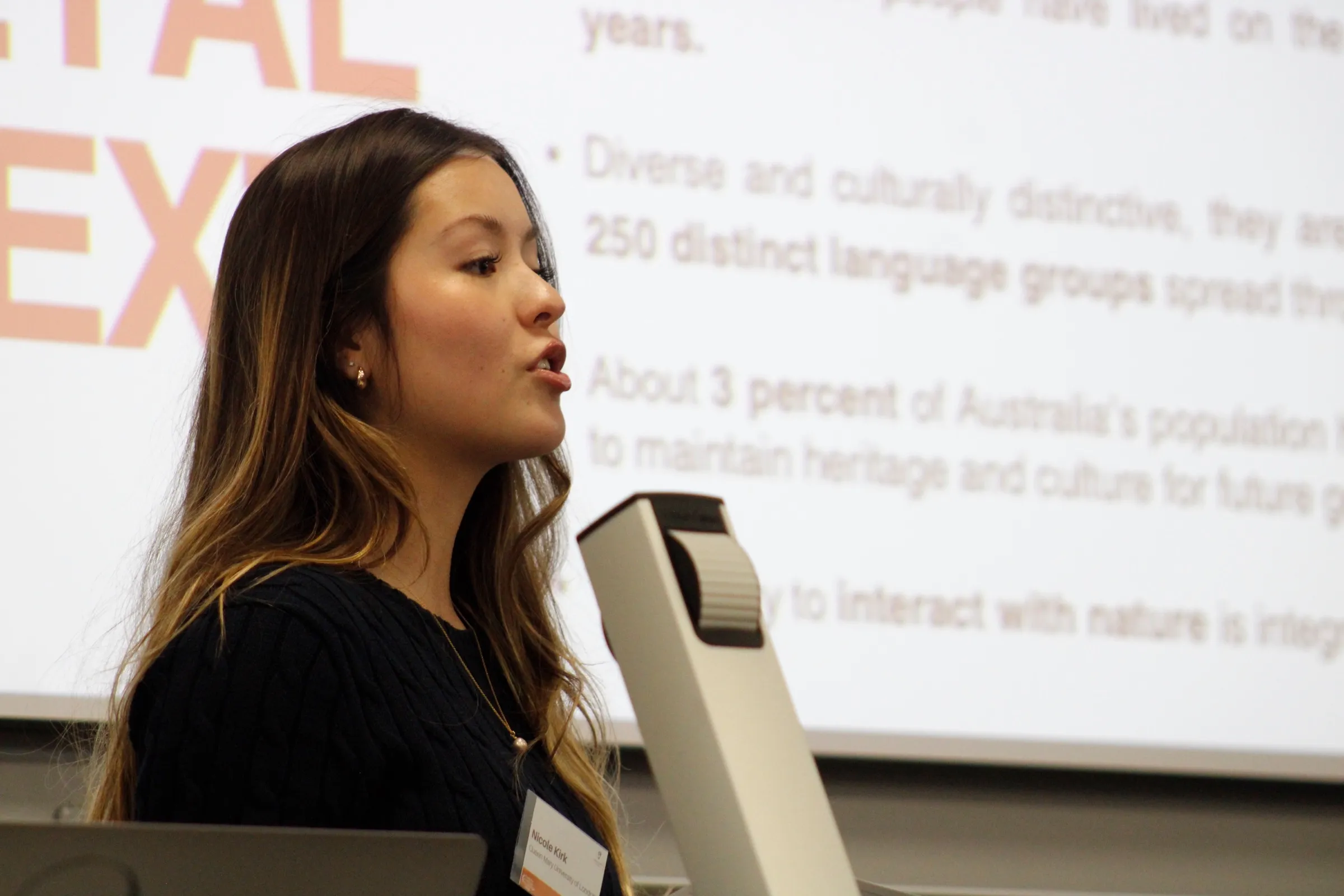
Australia’s first people have lived on the continent for over 65,000 years.
Diverse and culturally distinctive, they are represented by more than 250 distinct language groups spread throughout Australia.
About 3 percent of Australia’s population has Aboriginal heritage - vital to maintain heritage and culture for future generations.
The ability to interact with nature is integral to their culture and identity.
- Jul
- Aug
- Sep
- Oct
- Nov
- Dec
- Jan
- Feb
- Mar
- Apr
- May
- Jun
- Low-lying terrain & natural floodplains
- Clay-rich / lateritic soils → high water retention
- Ecologically sensitive wetlands & river systems
The problem
- Intense monsoon rainfall causes road flooding, isolating communities for weeks.
- Many roads are unsealed gravel roads with minimal elevation above natural ground.
- Restricted access to healthcare, including emergency services.
- High repair costs after each wet season.
- Communities have limited alternative routes when primary roads close.
Four ideas, scored
| Idea | Cost | Complexity | Environmental impact | Economic growth | Social acceptance | Innovation | Scalability |
|---|---|---|---|---|---|---|---|
| Modular drones to monitor sea life | −1 | −1 | 0 | −1 | −1 | −1 | +1 |
| Solar panel fresh water pump | +1 | +1 | 0 | −1 | +1 | 0 | +1 |
| Permeable road water collection (chosen) | −1 | 0 | 0 | +1 | +1 | +1 | +1 |
| Waste-to-energy micro plants | −1 | −1 | +1 | +1 | +1 | +1 | 0 |
The permeable road
Drawn to scale
Driving surface (200 mm) - bauxite and cement mixture
The permeable road in section, at its real layer depths.
The wet arrives
Distinct 6 month wet period from November through April: Single storm events can deliver 100–300 mm of rain in 24 hours.
It soaks through
Bedding layer (50 mm) - small crushed bauxite aggregate to support driving surface and filter the water
The reservoir fills
Base reservoir (800 mm) - made of large bauxite aggregate to retain rain fall up to 250 mm/h
20% aggregate void rate. Geotextile layer - prevents the soil from clogging the reservoir.
Into the tank
Easily attachable drains connected to tanks for water collection
Water is collected by large trucks through the holes in the drain.
The drain, in parts
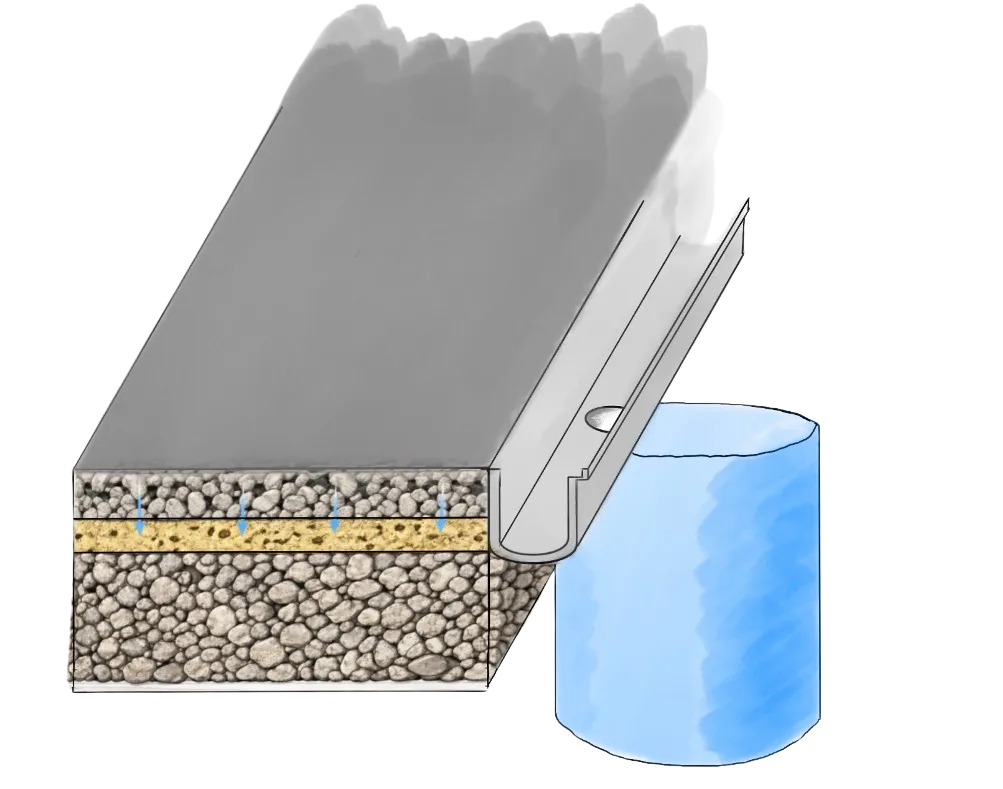
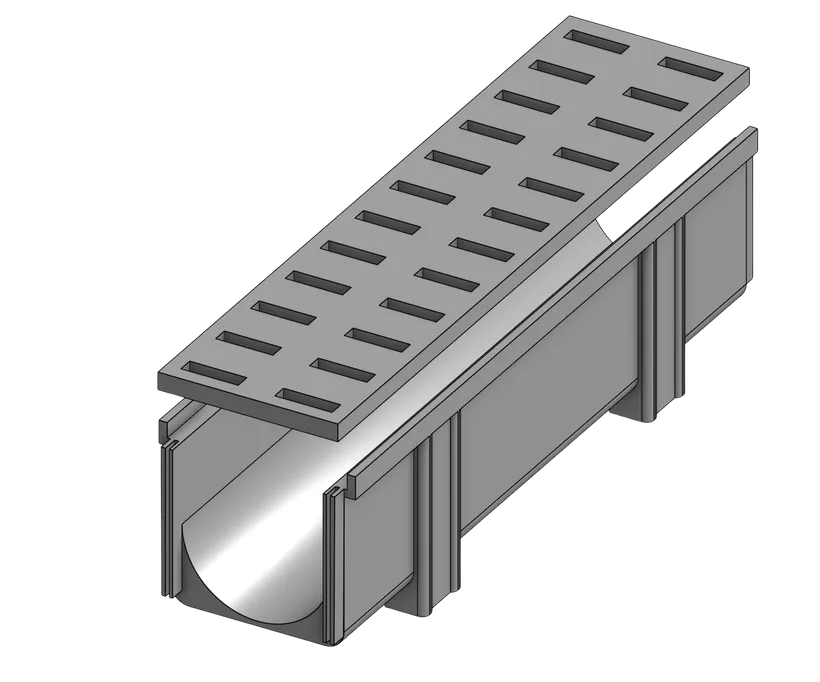
Detachable drain cover for quick maintenance
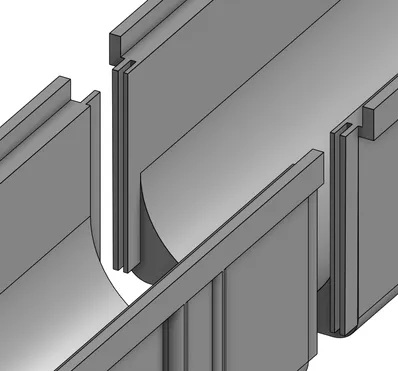
Interlocking joints for easy attachment
- Support legs inserted in the ground to stabilize drain.
- Water is collected by large trucks through the holes in the drain.
What they planned around
- Construction must avoid disrupting healthcare, food delivery and emergency response.
- Stored water may contain sediment and heavy metals from road runoff.
- High rainfall and sediment loads increase the risk of clogging and erosion.
Hope Vale to Cooktown
Initially the road will be made to connect the remote town of Hope Vale to Cooktown Cape York.
- Excavation and clearing of dirt roads.
- Transportation of Bauxite by Nambal Resources from Cooktown, Cape York.
- Pavement layers, gutters and water tank installation by locals.
- Water will be collected and transported to the Cooktown Annan Water Treatment Plant.
- Government Allocation of $323 million for Cape York Road Infrastructure.
- 1Local training
- 2Community consultation and site selection
- 3Construction of a pilot road node
- 4Monitoring through the first wet season
Upgrade only flood-prone road sections, and capture monsoon runoff to redirect it to storage tanks.
Basic civil works with existing local machinery, with training workshops for local crews.
Locally sourced materials, as recycling facilities are otherwise 500–700 km away.
Built & maintained by First Nation communities
Having a system which is too high-tech, becomes a liability, especially if a specialist repair requires months of waiting. For us, true innovation lies in designing simple, robust systems that First Nation Owners can easily maintain.
Communities can decide which roads are most critical during flood seasons, such as access to healthcare centres or supply routes.
A concrete recycling centre in Cooktown, “because driving concrete waste eleven hours away to Mackay isn’t sustainable in the long-term.”
What they took from it
- Learning a piece of history we had never been taught in formal education.
- Debating Ethical Engineering Practice - Better understanding our role as Global Responsible Engineers.
- Combining cultural heritage with engineering.
“How do we build here?”
“How do we build with this place?”
The society
I’m co-president of QMUL Engineers Without Borders, the largest QMUL Engineering society, creating opportunities for students to connect through social, professional and sustainability-focused events.
- Members
- 200+
- Events delivered
- 10
- External funding
- £8,000+
Social and professional events, funding and partnerships with organisations including Bentley Systems and IMechE. I also produced social media content, posters and student-facing campaigns.
In the news · Queen Mary SEMS · 2 April 2026Engineers Without Borders society hosts CADathon with Bentley and IMechE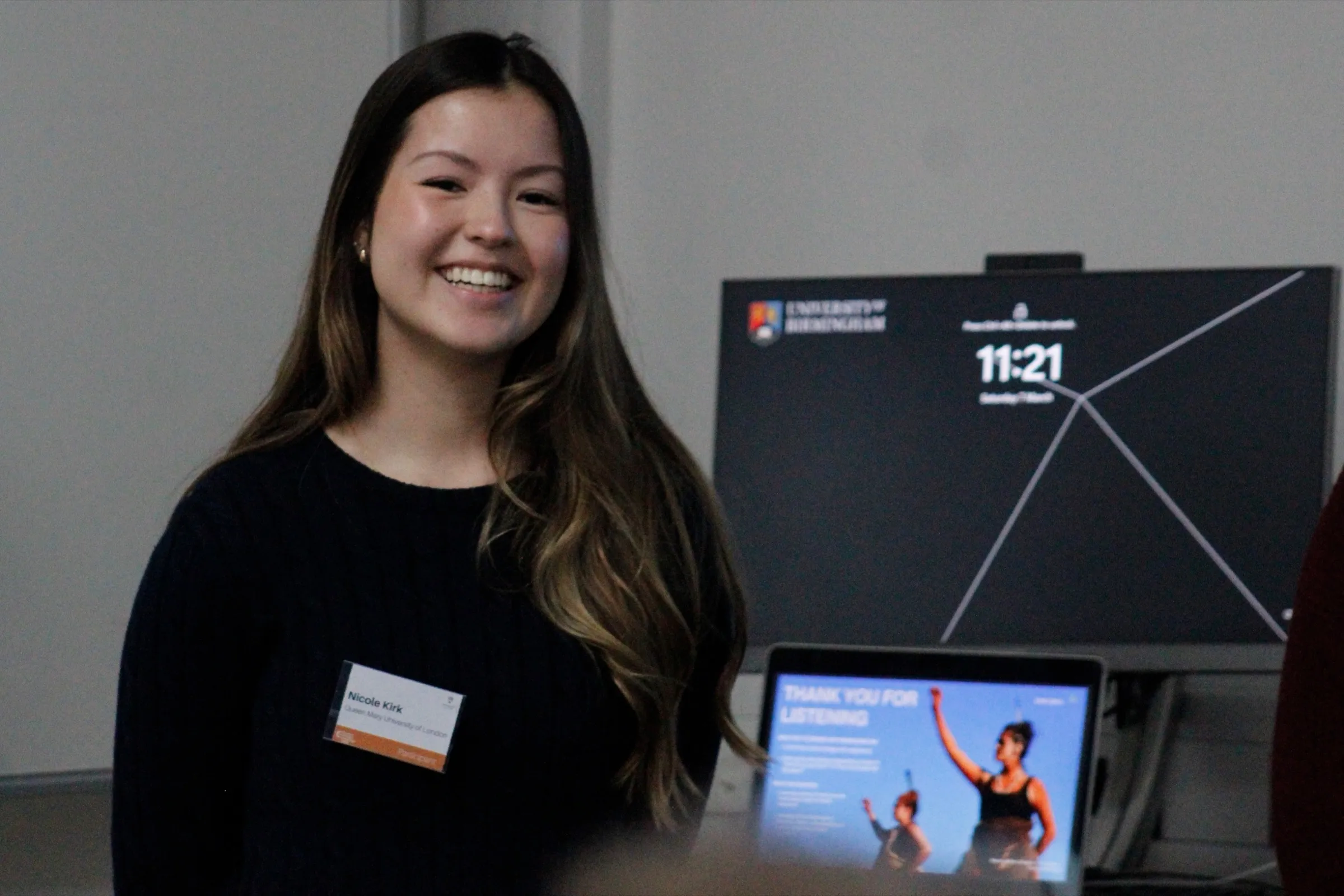
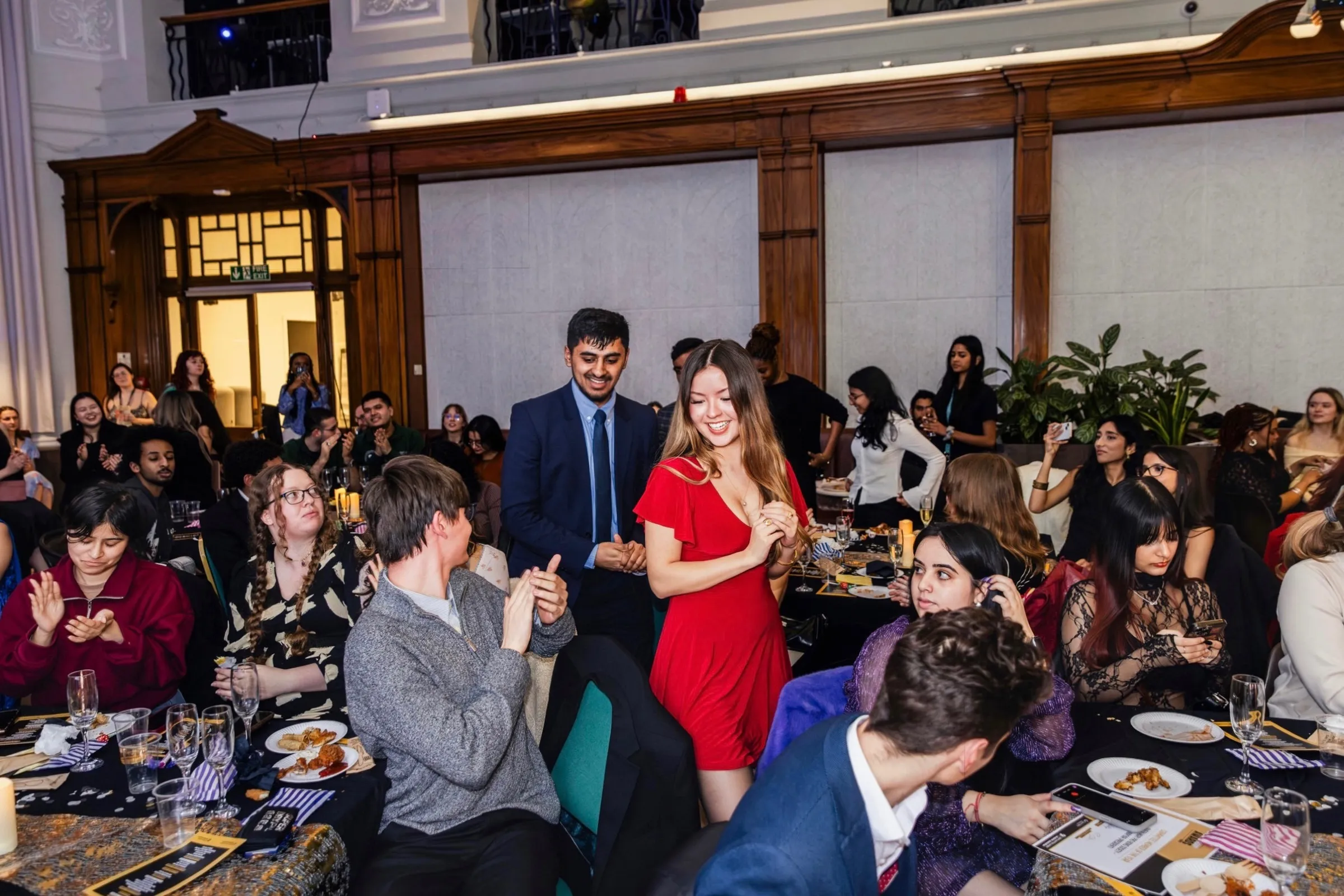
QMUL Society of the Year2026